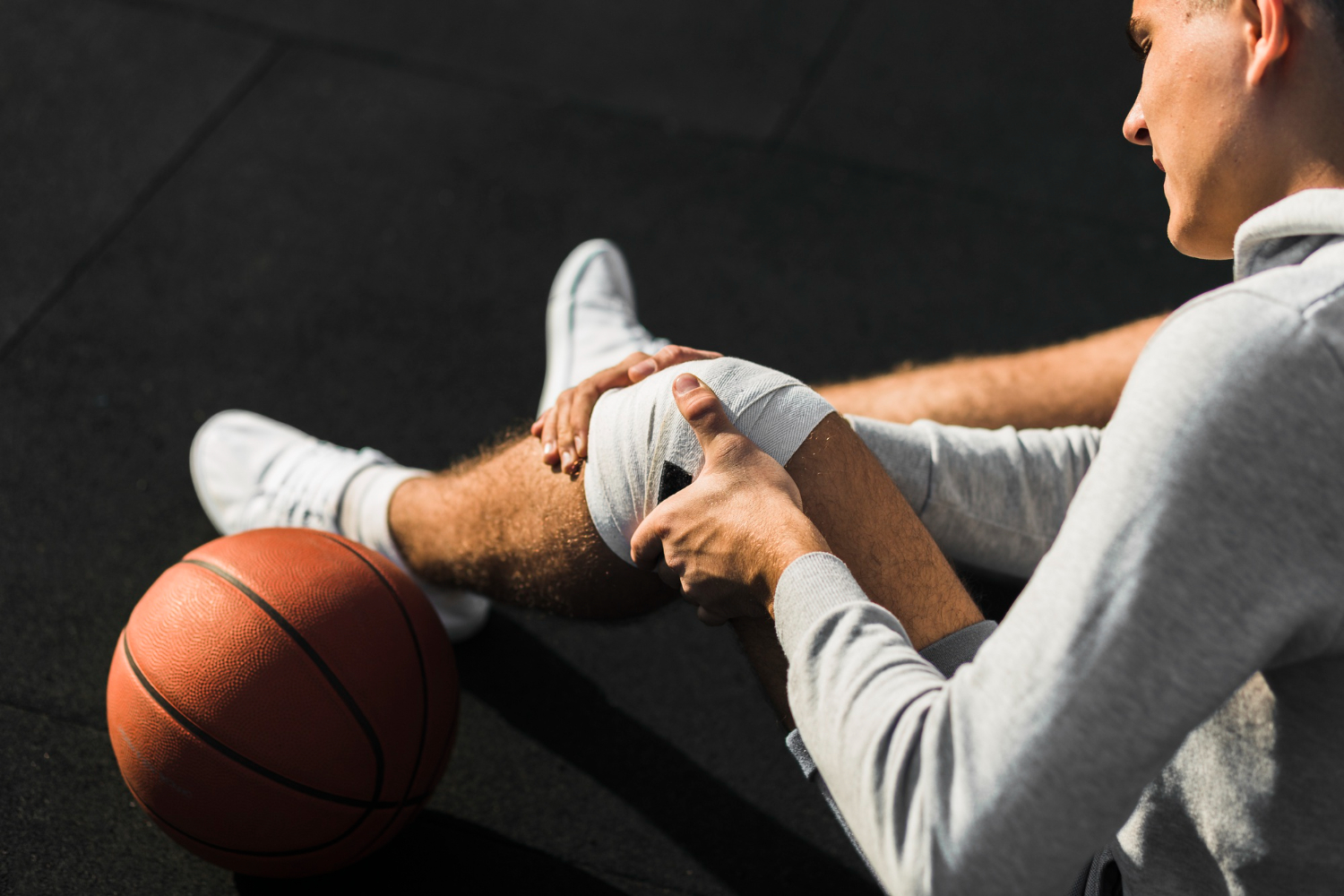
Sports injuries can affect athletes, fitness enthusiasts and individuals involved in regular physical activities. Sudden movements, excessive training, improper techniques, repetitive strain and inadequate recovery can lead to injuries affecting muscles, joints, ligaments and tendons. These conditions may cause pain, swelling, restricted movement and reduced physical performance. Sports injury rehabilitation plays an important role in managing injuries, restoring physical function and helping individuals return to their activities safely.
At Neuro Bridge Rehabilitation, we provide personalised sports injury physiotherapy and rehabilitation programmes designed to address individual injuries, physical limitations and recovery goals. Led by Dr. Shyam Koorapati, an experienced physiotherapist with 17 years of professional experience, our approach focuses on appropriate assessment, targeted exercises and structured rehabilitation to support recovery and improve physical performance.
Sports injuries can occur during training, competitions, exercise sessions or everyday physical activities. Our sports injury care focuses on rehabilitation for common musculoskeletal injuries, including:
Muscle Strains: Rehabilitation for overstretched or injured muscles affecting movement, strength and flexibility.
Ligament Injuries: Physiotherapy support for ligament sprains and injuries affecting joint stability.
Ankle Sprains: Exercises to improve ankle strength, balance, flexibility and stability.
Knee Injuries: Rehabilitation for knee pain, ligament-related problems and movement limitations.
Shoulder Injuries: Physiotherapy for shoulder strains, restricted movement and sports-related discomfort.
Tendon Injuries: Rehabilitation for tendon irritation and overuse-related conditions.
Back and Neck Injuries: Physiotherapy for sports-related spinal discomfort, muscle tightness and movement restrictions.
Effective sports injury recovery requires more than temporary pain relief. It involves understanding the injury, identifying contributing factors and developing a suitable rehabilitation programme. Our approach may include:
Biomechanical Assessment: Evaluating movement patterns, posture and physical mechanics to identify potential contributing factors.
Manual Therapy: Appropriate hands-on techniques to address muscle tightness and joint movement restrictions.
Strengthening Exercises: Targeted exercises to rebuild muscle strength and improve joint stability.
Flexibility Training: Exercises to improve muscle flexibility and movement range.
Balance and Coordination Training: Activities to improve stability, body control and movement confidence.
Sports-Specific Conditioning: Progressive exercises designed around the physical demands of individual sports.
Injury Prevention Guidance: Recommendations on exercise techniques, conditioning and recovery practices.
Returning to sports requires appropriate preparation and gradual progression. Rehabilitation focuses on improving strength, endurance, coordination, flexibility and functional movement before resuming demanding physical activities. Athletes also receive guidance on warm-up routines, recovery practices, movement techniques and training modifications to reduce the risk of recurring injuries.
At Neuro Bridge Rehabilitation, we emphasise personalised sports injury physiotherapy supported by professional expertise and evidence-based rehabilitation techniques. Our goal is to help individuals manage sports injuries, rebuild physical strength, improve movement efficiency and return to their preferred activities with greater confidence.
Recover from sports injuries with personalised physiotherapy and take the next step towards better performance and movement.