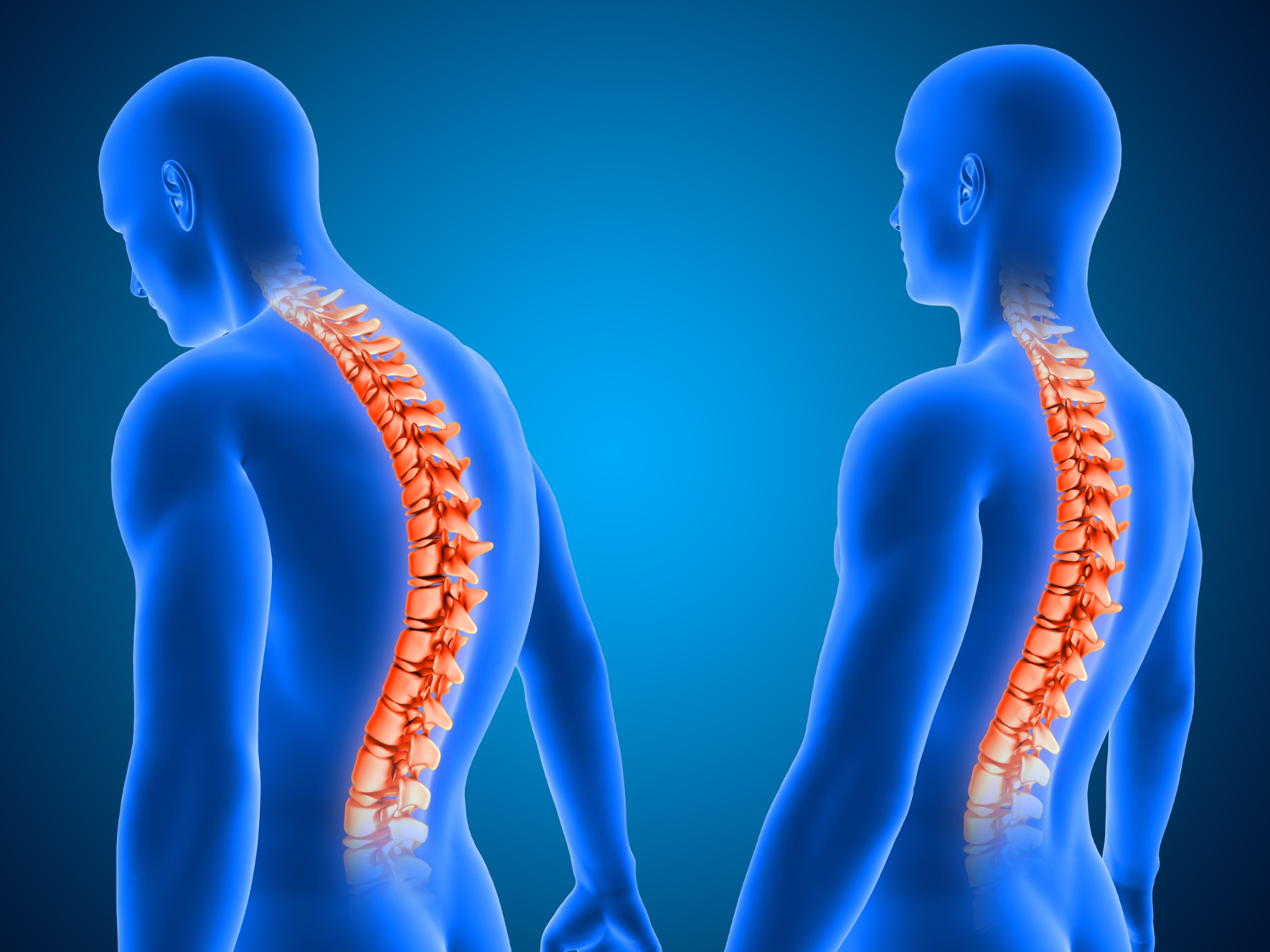
Poor posture and improper body mechanics can contribute to muscle tension, joint discomfort, back pain, neck stiffness and other musculoskeletal concerns. Spending long hours sitting at a desk, using digital devices, performing repetitive activities or maintaining incorrect body positions can place unnecessary stress on the muscles and joints. Postural and ergonomic counselling focuses on identifying these habits, improving body alignment and promoting healthier movement patterns.
At Neuro Bridge Rehabilitation, we provide personalised postural and ergonomic counselling to help individuals understand their movement habits, correct postural imbalances and reduce physical strain during everyday activities. Led by Dr. Shyam Koorapati, an experienced physiotherapist with 17 years of professional experience, our approach combines postural assessment, ergonomic guidance and customised exercise programmes to support better physical health and functional movement.
Poor posture can gradually affect different parts of the musculoskeletal system. Identifying contributing factors and making appropriate adjustments can help reduce unnecessary physical stress.
Our postural and ergonomic counselling focuses on concerns such as:
Neck and Shoulder Strain: Discomfort associated with prolonged screen use, improper sitting positions and forward head posture.
Lower Back Pain: Physical strain caused by prolonged sitting, inadequate lumbar support and improper lifting techniques.
Rounded Shoulders: Postural changes that may affect shoulder movement and upper-body alignment.
Forward Head Posture: Incorrect head positioning commonly associated with prolonged mobile and computer use.
Work-Related Musculoskeletal Discomfort: Muscle and joint problems associated with repetitive movements and unsuitable workstation arrangements.
Muscle Imbalances: Differences in muscle strength and flexibility that may affect posture and movement efficiency.
Effective postural correction begins with understanding an individual’s daily activities, movement habits and physical limitations. Our physiotherapy approach may include:
Evaluation of standing, sitting and movement patterns to identify postural deviations, muscular imbalances and areas of physical strain.
Guidance on suitable desk arrangements, chair positioning, monitor height, keyboard placement and working posture to support a comfortable working environment.
Targeted exercises to improve body alignment, strengthen supporting muscles and address common postural imbalances.
Personalised exercises to improve core stability, muscular strength, flexibility and overall movement control.
Guidance on maintaining healthy movement habits, taking appropriate breaks and avoiding prolonged static positions.
Maintaining good posture requires consistent attention beyond physiotherapy sessions. Patients may receive customised home exercise routines based on their physical condition and daily requirements.
These programmes may include:
Neck and shoulder mobility exercises.
Core strengthening activities.
Back and spinal mobility exercises.
Stretching routines for tight muscles.
Postural awareness and correction exercises.
Guidance on safe lifting and movement techniques.
Postural and ergonomic counselling is beneficial for office professionals, students, individuals working from home and people performing repetitive physical activities. Developing healthier movement habits and making suitable ergonomic adjustments can help minimise unnecessary strain and support better musculoskeletal health.
At Neuro Bridge Rehabilitation, we focus on personalised physiotherapy and ergonomic guidance to address individual postural concerns. Through professional assessment, corrective exercises and practical lifestyle recommendations, we aim to help individuals improve posture, manage physical discomfort and maintain healthier movement patterns.
Build healthier habits, improve your posture and support long-term physical well-being with personalised ergonomic counselling at Neuro Bridge Rehabilitation.